Home Products Projects About Us Contact Us

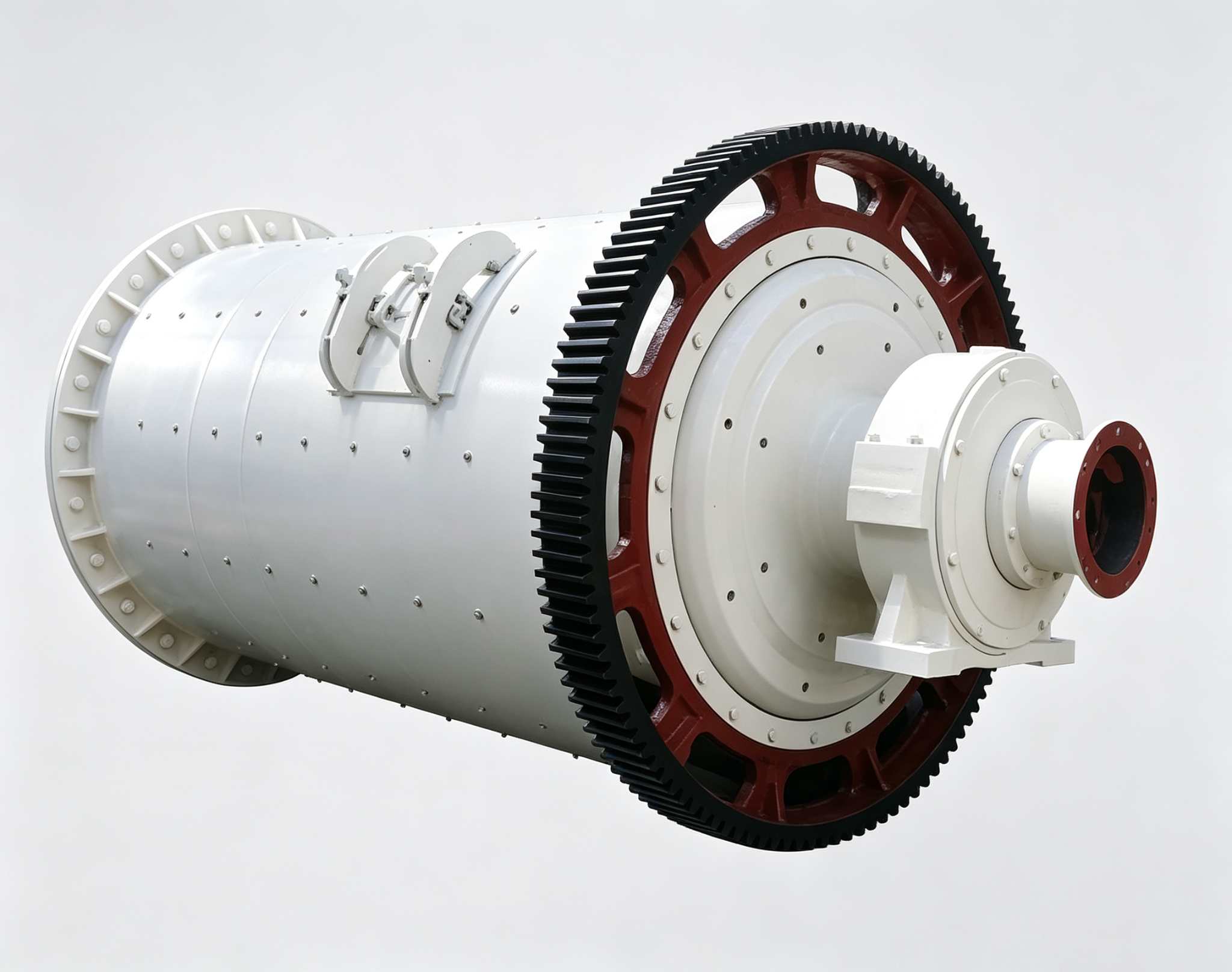
Rod Mill MBS Rod Mill

MBS0918 – MBS3245

Steel rods replace steel balls, line contact replaces surface contact. High coarse grinding efficiency, low over-grinding, uniform discharge particle size. Ideal choice for sand shaping and coarse grinding operations, saving over 40% power compared to traditional equipment.

MBS Rod Mill

Product OverviewProduct Overview

The rod mill is mainly used for coarse grinding of materials above 1mm. When grinding coarse materials, the rod mill has higher throughput than a ball mill of the same specification. Product particle size generally does not exceed 4.7mm maximum, minimum not less than 0.4mm, with feed size 80% less than 20mm to 4mm, and max feed size up to 50mm. The rod mill sand maker is versatile and a practical and reliable sand shaping equipment. Suitable for fine and medium crushing of various hard and brittle materials including abrasives, refractories, cement, quartz sand, steel shot, slag powder, copper ore, iron ore, gold ore, concrete aggregate, and asphalt materials. Especially suitable for adjusting fineness modulus in manufactured sand production — an efficient and energy-saving stone crushing and sand making equipment.

Working PrincipleWorking Principle

1

Feed

Material (particle size ≤50mm) is continuously fed into the rotating cylinder through the feed opening. A certain number of steel rods are pre-loaded into the cylinder as grinding media.

2

Rod Lift

The cylinder rotates at 17-29 r/min. Steel rods are carried up to a certain height by the liner under centrifugal force and friction, in a cascading or cataracting state.

3

Line Contact Grinding

When steel rods fall, they strike material through line contact — first hitting coarse particles then grinding fine particles, reducing over-grinding. Rolling and grinding between steel rods further mills the material.

4

Discharge

Ground material is discharged by overflow and the thrust of continuous feeding, entering the next process stage. The rod mill discharge end is equipped with a discharge grate plate to prevent steel rods from discharging.

Power Transmission Path
MotorReducerPinionRing GearCylinderLinerSteel RodMaterial

Technical ParametersTechnical Parameters

Model & Spec Cylinder Dia. (mm) Cylinder Length (mm) Speed (r/min) Discharge Size (mm) Capacity (t/h) Motor power (kW) Weight (kg)
MBS09189001800290-53-8224,500
MBS09249002400290-55-254512,000
MBS122412002400270-56-355513,800
MBS153015003000230-57-459017,000
MBS18301830300022.80-510-8513224,700
MBS21302100300020.90-530-10021034,000
MBS21362100360020.90-540-13524538,000
MBS24302400300020.90-550-15032050,000
MBS273627003600190-560-18540069,000
MBS274027004000190-570-21550081,000
MBS32453200450017.50-580-260630137,000

※ Capacity varies with material properties, feed size and other factors. Specifications subject to change without notice.

Structure ComponentsStructure Components

Component Function Material / Features
Cylinder Core rotating component, carrying steel rods and material through the grinding process, with length-to-diameter ratio typically 2:1~1.4:1 Steel plate welded, flanged end covers
Steel Rod (Grinding Media) Strikes and grinds material through line contact — hits coarse particles first then fine particles, low over-grinding High-carbon Chromium Alloy Steel, Φ40-100mm diameter
Feeder Continuously feeds material into the cylinder through spiral feeding. Cast steel feed spiral + feed chute
Discharge Device Overflow type discharge, with grate plate at discharge end to prevent steel rod discharge while allowing qualified fines to overflow. Discharge Grate Plate + Discharge Hollow Shaft
Drive System Drives cylinder rotation, motor transmits power through reducer and gear set. Motor + Reducer + Gear Set
Liner Protects cylinder inner wall, with lifting bars that carry steel rods to a certain height. High Manganese Steel / Alloy Steel Liner
Main Bearing Supports stable cylinder rotation, bearing total load of cylinder, steel rods and material. Plain bearing, forced circulation lubrication

Product FeaturesProduct Features

Line Contact Grinding, Uniform Particle Size

Steel rods use line contact instead of ball mill's point contact. During grinding, they first strike coarse particles then crush fines, resulting in more uniform discharge particle size with good continuous gradation.

Low Over-grinding

Steel rods preferentially act on coarse particles when striking ore. Already crushed fine particles are not easily re-crushed, effectively avoiding over-grinding with low powder content in finished product.

High Coarse Grinding Capacity

When grinding coarse materials above 1mm, the rod mill has higher throughput than a ball mill of the same specification, suitable for coarse grinding stage.

Energy Saving

Saves over 40% power compared to traditional sand making equipment with low operating costs. Advanced controllable feed/discharge technology with appropriate grinding media increases output by nearly 50%.

Excellent Sand Shaping Effect

High medium sand ratio, good particle shape with few sharp edges. Especially suitable for adjusting fineness modulus in manufactured sand production and sand shaping.

Wide Application Range

Can process various hard and brittle materials including quartzite, iron ore, copper ore, gold ore, slag and pebbles. Both dry and wet types available, adapting to different process requirements.

Reliable Operation, Convenient Maintenance

Mature structural design with reliable flange connection between cylinder and end covers. Steel rod replacement is simple with low daily maintenance, suitable for continuous production.

Application FieldsApplication Fields

Manufactured Sand

Core equipment in manufactured sand production lines, especially suitable for sand shaping and fineness modulus adjustment. Pebbles, granite, limestone etc. produce well-shaped manufactured sand after rod milling.

Metal Mines

Coarse grinding stage for iron ore, copper ore, gold ore and lead-zinc ore, providing qualified particle size for subsequent ball milling and flotation. Classic choice for single-stage open-circuit grinding.

Building Materials & Refractories

Cement raw material pre-grinding, quartz sand fine grinding, refractory raw material processing. Grinding and reuse of industrial byproducts such as steel shot and slag powder.

Chemical & Glass

Grinding operations with high uniformity requirements for chemical and glass raw materials. Processing, crushing and sand making of ore materials such as potassium feldspar and quartzite.

Quartz Sand Iron Ore Copper Ore Gold Ore River Pebble Cement Clinker Slag Potassium Feldspar Steel Shot Concrete Aggregate

Selection AdviceSelection Advice

  1. Capacity Matching:Small sand plants or labs choose MBS0918~1224 (3-35 t/h); medium sand lines choose MBS1530~2136 (7-135 t/h); large mine beneficiation choose MBS2430~3245 (50-260 t/h).
  2. Feed Size:Max rod mill feed up to 50mm, but ≤25mm recommended for optimal efficiency. Oversize feed should be pre-crushed by a jaw crusher.
  3. Dry vs Wet:Wet rod mill has higher output and less dust, suitable for closed circuit with spiral classifier; dry rod mill suits water-deficient areas and dry production lines.
  4. Steel Rod Gradation:Steel rod diameter is typically Φ40-100mm, length 25-50mm shorter than cylinder. Coarse grinding uses large diameter rods, fine grinding uses small diameter rods. Rod filling rate is 35-45% of cylinder volume.

Interested in Rod Mill? Contact us now for a quote and solution